
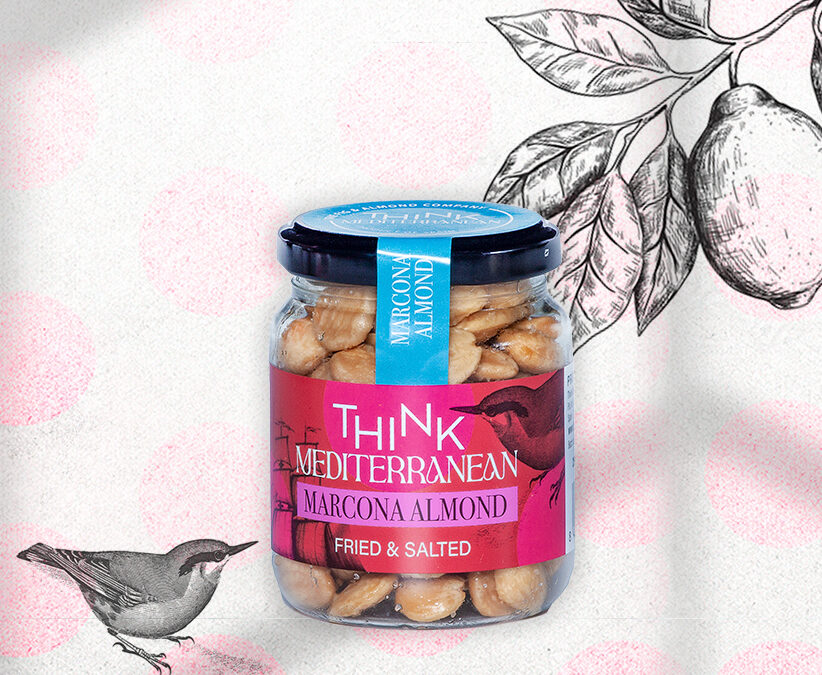
Marcona almonds and regular almonds may belong to the same broad family, but the eating experience can be remarkably different.
Marcona almonds are a distinctive Spanish variety known for their rounded shape, delicate sweetness and softer, buttery texture. The more conventional almonds commonly found in supermarkets tend to be longer, firmer and crunchier, with a more familiar nutty flavour.
Neither has to replace the other. They simply offer different characteristics and are suited to different occasions.
So what really separates Marcona almonds from regular almonds?
This guide compares their appearance, flavour, texture and culinary uses to help you understand why Spanish Marcona almonds have become such a recognised gourmet ingredient.
Marcona almonds vs regular almonds at a glance
| Characteristic | Marcona almonds | Regular almonds |
| Origin and identity | Distinctive Spanish almond variety | Broad term covering many commonly available almond varieties |
| Shape | Shorter and more rounded | Usually longer and more elongated |
| Texture | Softer, tender and buttery | Firmer and crunchier |
| Flavour | Delicate, slightly sweet and rich | More straightforward nutty flavour |
| Typical presentation | Gourmet snacks, aperitifs and cheese boards | Snacking, cooking, baking and everyday use |
| Gourmet positioning | Particularly associated with Spanish premium foods | Widely available and versatile |
The biggest difference becomes obvious when you taste them side by side.
What are Marcona almonds?
Marcona is a traditional Spanish almond variety valued for a combination of flavour and texture that sets it apart from many conventional almonds.
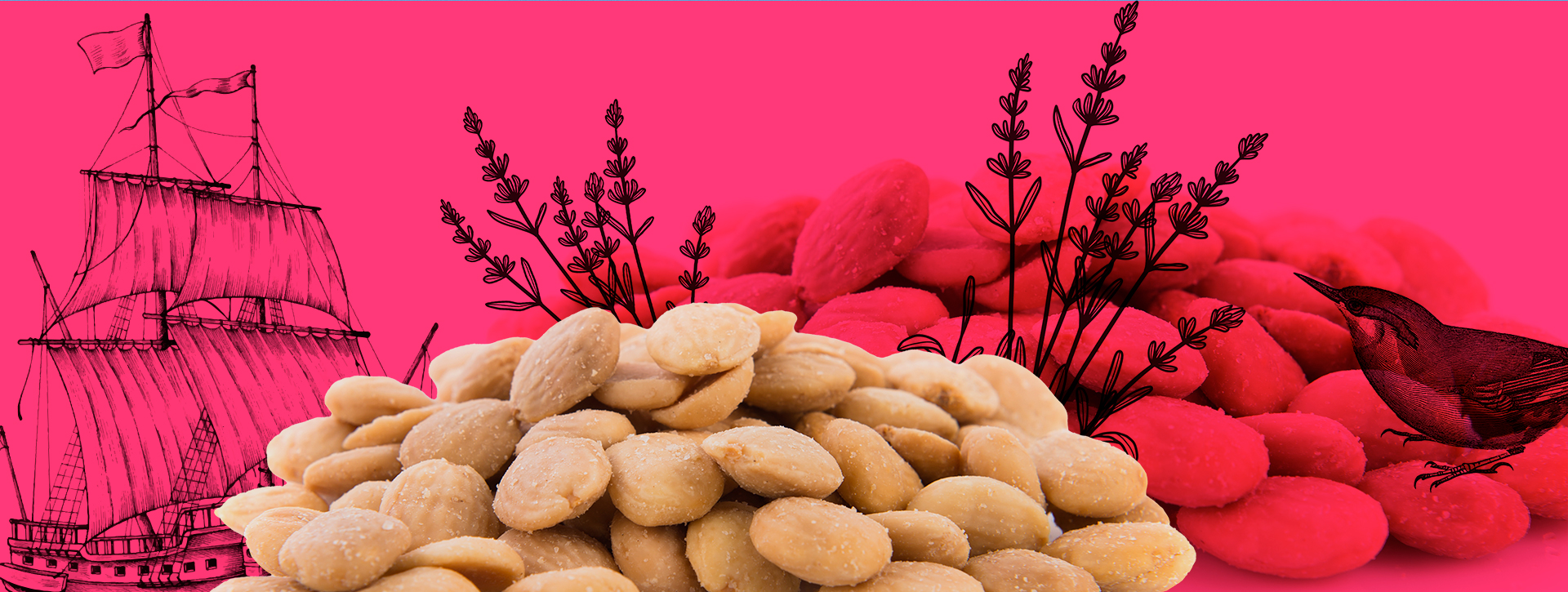
Visually, Marcona almonds tend to be rounder and flatter rather than long and pointed.
Their flavour is also distinctive. They have a naturally delicate sweetness and a rich character often described as buttery.
At Think Mediterranean, our Marcona almonds from Spain are fried and lightly salted. This simple preparation enhances their natural flavour while adding a satisfying exterior texture.
They can be eaten on their own but are especially well suited to aperitifs, cheese boards and Mediterranean-inspired sharing platters.
What do we mean by “regular almonds”?
“Regular almonds” is not the name of one particular variety.
It is a convenient way of describing the more conventional almonds consumers typically encounter in supermarkets, snacks, bakery products and everyday cooking.
Many of these almonds have a longer, narrower appearance and a noticeably firmer crunch than Marcona.
Because numerous almond cultivars and preparations exist, there will always be exceptions. Comparing Marcona with “regular almonds” is therefore best understood as comparing its distinctive characteristics with the conventional almond experience most consumers already know.
1. Shape and appearance
The visual difference is usually one of the easiest to notice.
Marcona almonds have a relatively rounded, compact form.
Conventional almonds are generally more elongated and are often associated with the pointed almond shape familiar from supermarket packs.
That difference can also affect presentation.
The rounded appearance of Marcona almonds gives them an attractive visual identity when they are served in small bowls, incorporated into gourmet platters or displayed on cheese boards.
2. Texture
Texture is one of the main reasons people notice a difference immediately.
Regular almonds usually deliver a firm, pronounced crunch.
Marcona almonds have a more tender texture and a richer, smoother mouthfeel. When fried, their exterior develops a pleasant bite while the almond itself retains the softer character associated with the variety.
This contrast makes Marcona particularly appealing when served as an aperitif rather than simply used as an ingredient.
3. Flavour
Conventional almonds generally have the clean, recognisably nutty flavour most people associate with almonds.
Marcona almonds are more delicate.
Their natural sweetness and buttery character make the flavour feel richer without needing strong seasoning.
For that reason, a simple fried-and-salted preparation can be enough. Salt provides contrast without covering the personality of the almond itself.
The result works particularly well when the almonds are served alongside other ingredients rather than hidden inside a recipe.
4. Marcona almonds are closely associated with Spain
Marcona almonds are strongly connected with Spanish gastronomy and the Mediterranean aperitif tradition.
Serving a bowl of almonds alongside olives, cheese, cured meats and drinks is one of the simplest ways to create a Spanish-inspired appetiser.
That cultural context is also part of their gourmet appeal.
For speciality retailers, cheese shops, delicatessens and hospitality businesses, Marcona almonds are not simply another nut option: they can form part of a broader Spanish or Mediterranean food selection.
5. How they are served
Regular almonds are extraordinarily versatile.
They can be eaten raw or roasted, used in baking, incorporated into cereals and desserts, ground into almond flour, transformed into pastes or added to savoury recipes.
Marcona almonds can also be used in cooking, but their distinctive texture and flavour mean they are especially enjoyable when the almond itself remains visible.
Try them:
- served alone as an aperitif
- alongside olives
- on cheese boards
- with charcuterie
- as part of a tapas selection
- over salads for additional texture
- in premium snack selections
- alongside wine or other aperitif drinks
When the almond is intended to be one of the stars of the plate, Marcona makes a particularly interesting choice.
Are Marcona almonds better than regular almonds?
It depends on what you want from the almond.
For everyday baking, grinding or recipes requiring larger quantities of almonds, a conventional variety may make perfect sense.
For an aperitif, cheese counter, gourmet snack or premium Mediterranean board, Marcona almonds offer a more distinctive flavour, texture and presentation.
The useful question therefore is not simply which almond is “better”.
It is which almond suits the occasion.

Marcona almonds vs Valencia almonds
Spain itself has more than one interesting almond profile.
For example, Valencia almonds offer a firmer, crunchy texture and work particularly well with different seasonings. They can be prepared with flavours such as herbs, paprika or truffle.
Marcona almonds provide a different experience: rounder in shape, softer in texture and naturally more delicate and buttery.
Serving both together can therefore create a more varied Spanish almond tasting.
One provides the soft, refined character associated with Marcona; the other introduces greater crunch and opportunities for stronger seasoning.
Explore our Spanish almond selection to discover the different varieties and flavour profiles.
Marcona almonds on a cheese board
Cheese is one of the most natural settings for Marcona almonds.
A good cheese board benefits from contrasting textures:
- creamy cheese
- firm or aged cheese
- soft dried fruit
- crisp crackers
- cured meats
- crunchy or tender nuts
Marcona almonds occupy an interesting position because they add texture without being excessively hard, while their subtle sweetness works alongside both mild and stronger cheeses.
Add dried figs or a Mediterranean fruit cake and the board gains another layer of natural sweetness.
For an easy Mediterranean presentation, combine Marcona almonds with cheese, olives, dried fruit and charcuterie.
Marcona almonds for tapas and aperitifs
Not every tapas spread needs elaborate preparation.
Sometimes the strength of an aperitif lies in selecting a few good ingredients and allowing each one to speak for itself.
A simple spread could include:
- fried and salted Marcona almonds
- olives
- Manchego or another Spanish cheese
- cured meats
- bread
- dried figs or fig cake
The almonds require no complicated preparation and can be placed on the table immediately, making them particularly convenient for entertaining, hospitality and tasting events.
Why are Marcona almonds considered a gourmet product?
Their reputation comes largely from the sensory differences that make the variety distinctive.
The rounded appearance, tender texture, natural sweetness and buttery character create an experience that differs noticeably from a standard almond snack.
They are also strongly associated with Spanish gastronomy, making them a natural fit for premium food stores, speciality retail and Mediterranean assortments.
Presentation matters as well.
When almonds are intended to accompany quality cheeses, charcuterie or wine, the ingredients are being experienced individually. Using a distinctive variety becomes much more noticeable than it would inside a recipe containing many other flavours.
Choosing between Marcona and regular almonds
Choose conventional almonds when you need a versatile everyday ingredient for baking, cooking, grinding or general snacking.
Choose Marcona when you want the almond itself to become part of the experience.
They are particularly suited to:
- premium aperitifs
- Spanish tapas
- cheese and charcuterie boards
- gourmet retail
- speciality food selections
- hospitality
- entertaining and gifting
And there is no reason not to serve more than one variety.
A selection of different Spanish almonds can demonstrate how much flavour and texture can vary within a product that might initially seem very simple.
Discover Spanish Marcona almonds
The difference between Marcona and conventional almonds becomes much easier to understand once you taste them side by side.
Marcona’s rounded shape, delicate sweetness and softer, buttery texture give this traditional Spanish variety its distinctive personality.
For cheese boards, Mediterranean aperitifs and premium food selections, those characteristics allow the almond to become much more than a background ingredient.
Discover our Spanish Marcona almonds and explore the different formats available for retail, hospitality and professional use.