
Dried Figs vs Fresh Figs: What’s the Difference?
Fresh figs and dried figs come from the same fruit, but the experience of eating them can be remarkably different. Fresh figs are soft, delicate and full of moisture, with a gentle sweetness that changes according to variety and ripeness. Dried figs are denser and chewier, with a much more concentrated sweetness and a rich flavour that works particularly well with cheese, nuts and other Mediterranean ingredients. Neither has to replace the other. They simply offer different characteristics and suit different occasions. So what really separates dried figs from fresh figs? This guide compares their flavour, texture, nutritional profile, storage and culinary uses to help you understand when each works best — and why dried figs have become such a versatile Mediterranean ingredient.
Understanding those differences makes it easier to choose the right type of fig for eating fresh, cooking, baking, entertaining or building a Mediterranean-style board.
Dried figs vs fresh figs at a glance
| Characteristic | Fresh figs | Dried figs |
|---|---|---|
Texture |
Soft, tender and juicy | Dense, soft and chewy |
Flavour |
Light, delicate and subtly sweet | Richer and more concentrated |
Water content |
High | Considerably lower |
Sweetness |
Gentle natural sweetness | More concentrated natural sweetness |
Availability |
Seasonal and highly perishable | Easier to enjoy throughout the year |
Storage |
Shorter | Longer and more convenient |
Typical uses |
Salads, fresh desserts and simple serving | Snacking, cheese boards, baking and cooking |
Presentation |
Delicate and visually fresh | Robust and easy to portion |
Mediterranean pairings |
Fresh cheese, yoghurt and salads | Cheese, almonds, charcuterie and gourmet boards |
The biggest difference begins with one simple factor: water. As moisture is removed from a fig, its texture becomes denser and its natural flavours become more concentrated.
This change affects far more than sweetness: it influences how the fruit feels in the mouth, how easily it can be stored, how it behaves in recipes and which ingredients it pairs with most naturally.
What are fresh figs?
Fresh figs are the ripe fruit harvested before the drying process begins. When perfectly ripe, they have a very soft skin surrounding a moist, almost jam-like interior filled with tiny edible seeds. Their flavour is generally delicate. Depending on the variety and maturity of the fruit, fresh figs may have gentle honeyed, fruity or slightly caramel-like notes, but their relatively high water content keeps the overall experience light and fresh. That softness is one of their main attractions. Slice a fresh fig open and it can be served with very little preparation. Fresh cheese, yoghurt, salad leaves, nuts or a few slices of cured meat may be all it needs. The disadvantage is that ripe figs are delicate. Their high moisture content and soft texture mean they need careful handling and have a considerably shorter storage life than dried fruit.
What are dried figs?
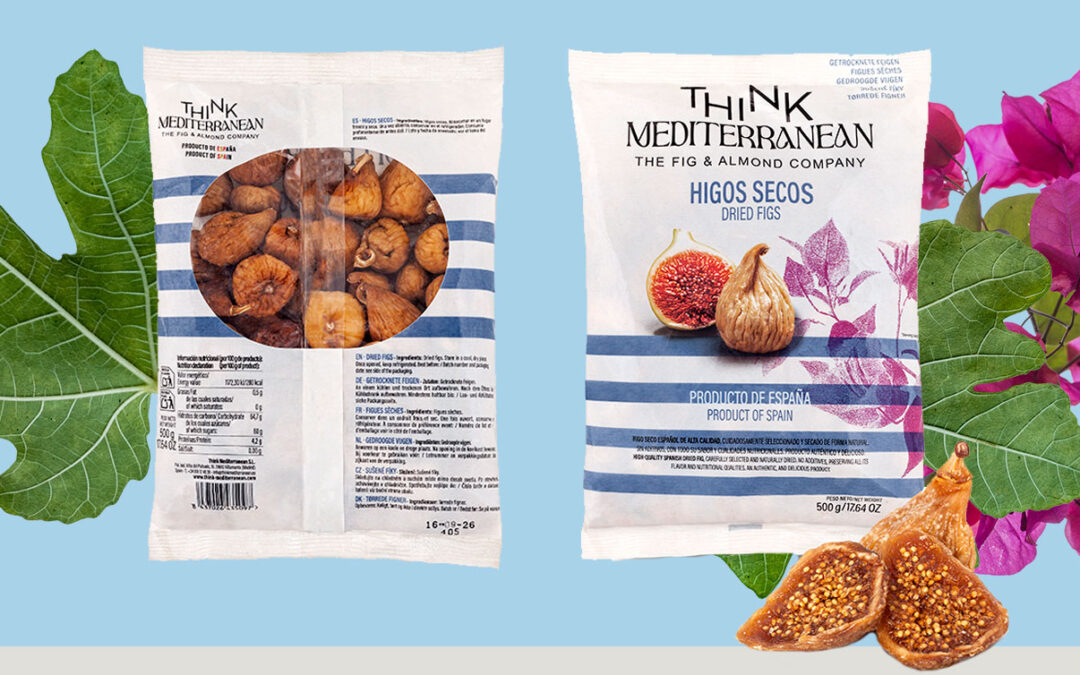
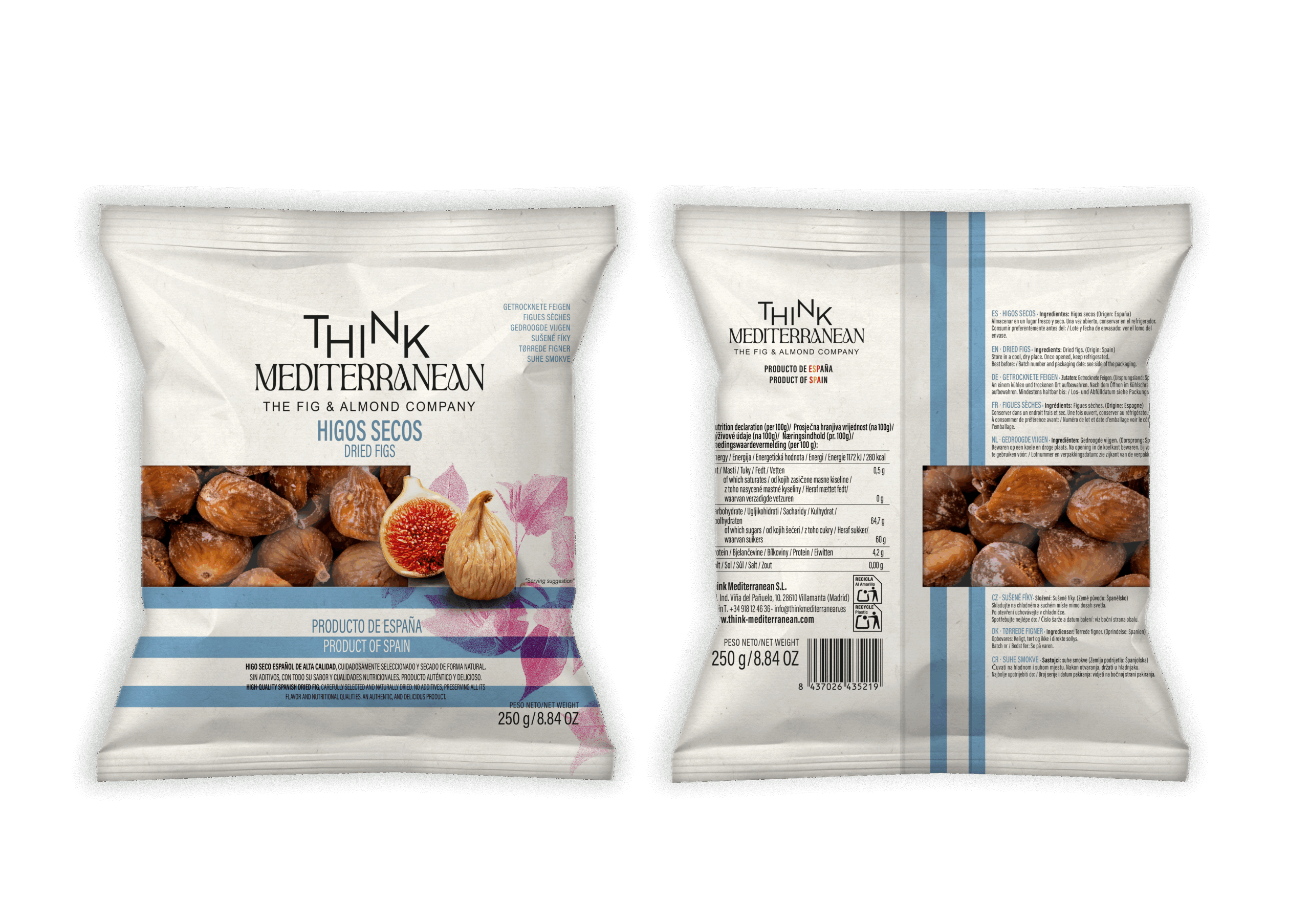
Dried figs are fresh figs from which a large proportion of the natural moisture has been removed. It sounds like a simple change, but it transforms the fruit. The fig becomes smaller and denser. Its flesh develops a chewy texture, while its naturally occurring sugars and flavours become more concentrated. The tiny seeds remain, creating a subtle contrast between the soft flesh and the gentle crunch inside. A well-prepared dried fig should still retain tenderness rather than becoming unpleasantly hard. At Think Mediterranean, our Spanish dried figs come from Extremadura in Spain and are naturally sun-dried. They can be enjoyed on their own, served with cheese or incorporated into both sweet and savoury recipes. Their versatility is one of the main reasons dried figs have remained such an important ingredient in Mediterranean food traditions.
1. Flavour: fresh and delicate vs rich and concentrated
Taste the two versions side by side and the difference becomes obvious. Fresh figs tend to have a relatively subtle flavour. Their high water content creates a light eating experience in which sweetness is balanced by freshness. Dried figs are more intense. Removing moisture concentrates the flavours already present in the fruit, making its natural sweetness more pronounced and giving it a richer character. You may notice:
- honeyed notes
- caramel-like flavours
- a deeper fruitiness
- a longer, sweeter finish
This stronger profile is particularly useful when figs are served with ingredients that have plenty of character of their own. A dried fig can sit alongside aged cheese, cured meat or nuts without disappearing into the background.
2. Texture
Texture may be the most immediately noticeable difference between fresh and dried figs. Fresh figs are extremely soft. When fully ripe, their flesh can almost collapse under gentle pressure. Their interior is juicy, smooth and tender, with only the tiny seeds introducing a slight crunch. Dried figs provide more resistance. They are:
- denser
- chewier
- firmer
- easier to slice
- easier to handle
That firmer structure can be useful in many culinary situations. A dried fig can be placed on a cheese board, chopped into a salad, sliced into a baked recipe or packed as a snack without the same concerns about bruising and ripeness associated with fresh figs. It is not necessarily a better texture. It is simply a different one.
3. Are dried figs sweeter than fresh figs?
Dried figs generally taste much sweeter than fresh ones. The reason is concentration. Fresh figs contain a considerable amount of water. During drying, much of that moisture disappears while many of the components responsible for sweetness remain. The result is a smaller fruit with a more intense flavour. This distinction is important because sweetness in a traditional dried fig does not necessarily mean that sugar has been added. It can simply be the fruit’s own natural sweetness becoming more concentrated as water is removed. Different dried fruit products may be prepared differently, however, so checking the ingredients is always sensible.
4. Dried figs vs fresh figs: nutrition
Fresh and dried figs are essentially two forms of the same fruit, but removing water changes their nutritional concentration. Fresh figs contain significantly more water. Dried figs contain much less moisture, which means nutrients and naturally occurring sugars are concentrated into a smaller amount of fruit. Gram for gram, dried figs therefore generally contain more:
- carbohydrates
- naturally occurring sugars
- fibre
- calories
- certain minerals
Fresh figs provide more water and are less energy-dense by weight. This does not make one automatically better than the other. Portion size and context matter. Eating fresh figs as part of a summer salad is very different from serving a few dried figs with almonds and cheese. Rather than asking which version is universally healthier, it is more useful to consider how each fits into what you are eating.
5. Fresh figs are more seasonal
Fresh figs are closely connected with the harvest season. This is part of their appeal. Eating a ripe fig at the right moment allows you to experience the fruit at its softest and most delicate. But seasonality also creates limitations. Fresh figs are relatively fragile and need to be consumed fairly quickly once ripe. This can make storage, distribution and transport more difficult. Drying changes that. With much of their moisture removed, figs become considerably more practical to store and transport. This makes dried figs easier to enjoy outside the fresh fig season and particularly useful for retailers, delicatessens, hospitality businesses and professional kitchens that need more consistent availability.
6. How fresh figs are used
Fresh figs work best when their delicate texture remains an important part of the dish.
Because their flesh is soft and moisture-rich, simple preparations often work best. The goal is usually to support the fruit rather than overwhelm it, allowing its delicate texture, colour and mild sweetness to remain noticeable in the finished dish.
Fresh figs with cheese
One of the simplest combinations is fresh fig and cheese. Soft or creamy cheeses can work particularly well because neither ingredient needs complicated preparation. Slice the fig and serve it alongside goat’s cheese, ricotta or another mild cheese.
The creaminess of the cheese complements the juicy fruit, while the fig adds a fresh sweetness that can make a very simple plate feel more complete. A few nuts or a light drizzle of honey can add contrast without taking attention away from the fruit itself.
Fresh figs in salads
Fresh figs can introduce natural sweetness and colour into salads. Combine them with leafy greens, cheese, nuts and a simple dressing. Because the fruit is so soft, it is usually best added shortly before serving.
Their sweetness can soften sharper flavours from dressings or salty cheeses, while their colour makes the dish feel more seasonal and generous. Keeping the pieces relatively large can also help preserve their texture until the salad reaches the table.
Fresh figs with yoghurt
A ripe fresh fig, plain yoghurt and a handful of nuts can create a simple combination of creamy, soft and crunchy textures.
It works well as a quick breakfast, light dessert or simple snack, especially when the fruit is ripe enough to provide sweetness without needing much else. The contrast between cool yoghurt, tender fig and crunchy nuts gives the combination more interest with very little preparation.
Fresh figs for dessert
Sometimes very little is required. When figs are perfectly ripe, serving them fresh can allow their natural character to remain the focus.
They can be served whole or halved, paired with yoghurt or soft cheese, or accompanied by nuts for a little texture. This approach is especially useful when the fruit is at peak ripeness and already has enough flavour to stand on its own.
7. How dried figs are used
Dried figs are more robust and have a stronger flavour, opening up a different range of possibilities.
Their denser structure makes them easier to portion, transport and combine with other ingredients, while their concentrated sweetness allows them to remain noticeable even in recipes with strong savoury or aromatic elements. That makes them useful both as a ready-to-eat snack and as a pantry ingredient for more elaborate dishes.
Dried figs on a cheese board
Cheese is one of the most natural settings for dried figs. The fruit provides concentrated sweetness, while cheese introduces saltiness, acidity, creaminess and savoury flavours. The contrast becomes particularly interesting with aged or strongly flavoured cheese. Add a handful of Spanish Marcona almonds and you introduce another Mediterranean element: a delicate sweetness, buttery texture and gentle crunch. A simple board could include:
- dried figs
- Manchego or another mature cheese
- Marcona almonds
- cured meats
- olives
- bread or crackers
There is no need to make the presentation complicated. A few well-chosen ingredients with contrasting flavours and textures are often enough.
Dried figs as a snack
Dried figs require almost no preparation. Their compact format and concentrated flavour make them particularly convenient for snacking at home, travelling or keeping in the pantry. Pairing them with nuts adds a crunchy contrast. You could use Marcona almonds for a softer, more delicate almond experience or explore the wider selection of Spanish almonds for different textures and flavour profiles.
They are easy to portion and pair naturally with other shelf-stable ingredients, making them useful for lunchboxes, travel, grazing boards or a quick snack between meals. Their chewy texture also makes a small serving feel more substantial than a similarly sized piece of fresh fruit.
Dried figs in baking
The stronger flavour and firm texture of dried figs allow them to remain noticeable in breads, cakes, biscuits and other baked recipes. They can be:
Because they contain less water than fresh figs, they can add fruit flavour and texture without releasing the same amount of moisture into a dough or batter. Their pieces can stay distinct after baking, which helps distribute fig flavour throughout the finished recipe.
- chopped
- sliced
- soaked
- blended
- incorporated whole into certain preparations
Their concentrated sweetness can also complement ingredients such as almonds, walnuts, orange and dark chocolate.
Dried figs in savoury cooking
Figs are not only for desserts. Sweet ingredients can create useful contrasts in savoury dishes. Dried figs can work with:
Used in moderation, their sweetness can round out salty, tangy or deeply savoury ingredients rather than dominating the dish. Chopping them finely can spread that sweetness more evenly, while larger pieces create a more obvious contrast in texture and flavour.
- aged cheeses
- meat dishes
- stuffings
- salads
- sauces
- nuts
- charcuterie
The aim is usually balance rather than simply making a dish sweeter. Saltiness, acidity or savoury flavours help provide contrast.
Dried figs and almonds: a classic Mediterranean combination
Few combinations demonstrate the appeal of Mediterranean dried fruit as simply as figs and almonds. The dried fig provides a soft, chewy texture and concentrated sweetness. The almond introduces crunch and nuttiness. Together they create contrast without requiring complicated preparation. This combination also forms the basis of one of Spain’s traditional dried-fruit specialities: fig and almond cake. Our
Fig & Almond Cakes combine selected Spanish dried figs with Mediterranean almonds to create a compact fruit cake that can be sliced and served with cheese, charcuterie, coffee or tea. It is a good example of how a very simple combination of dried fruit and nuts can take on a completely different character depending on its presentation.
The pairing works because neither ingredient needs much preparation and each contributes something the other lacks: the fig is tender and sweet, while the almond is firm, nutty and crisp. It is equally at home in an everyday snack, a cheese board or a more polished gourmet presentation.

From dried figs to Spanish fig cake
Drying also allows figs to be transformed into more elaborate Mediterranean products. Traditional Spanish fig cake, often known as pan de higo, uses dried figs as its foundation. The fruit can be combined with ingredients such as:
Once the fruit has been dried, it becomes much easier to press, shape and combine with nuts or other flavourings while still retaining a recognisable fig character. The result is compact, sliceable and convenient to serve in small portions alongside both sweet and savoury accompaniments.
- almonds
- orange
- dates
- apricots
- dark chocolate
- spices
Rather than being a conventional baked sponge cake, fig cake is a compact dried-fruit speciality where the fruit itself provides much of the texture and sweetness. Think Mediterranean’s collection of Spanish fig cakes includes traditional fig and almond combinations together with variations featuring orange, chocolate and jalapeño. They can be sliced thinly and added to cheese boards, charcuterie platters and gourmet sharing selections. If you are interested in exploring these combinations further, our Spanish Fig Cake & Cheese Pairing Guide explains how different styles of fig cake work with Manchego, goat’s cheese, blue cheese and other varieties.
Fresh figs or dried figs for a cheese board?
Both can work, but they create very different results. Fresh figs contribute:
- softness
- moisture
- visual colour
- delicate sweetness
They can be especially appealing alongside creamy cheeses and lighter ingredients. Dried figs contribute:
- concentrated sweetness
- chewiness
- a denser texture
- greater contrast with salty cheese
- easier preparation and handling
For a Mediterranean-style cheese board, dried figs are particularly practical because they can sit comfortably alongside stronger ingredients. Try combining:
Spanish dried figs + Manchego + Marcona almonds + charcuterie + olives + rustic bread.
The figs provide sweetness. The cheese adds saltiness and savoury depth. The almonds introduce crunch. The cured meats and olives add another layer of Mediterranean flavour. Each ingredient does something different.
Can you substitute dried figs for fresh figs?
Sometimes, but not always. They may come from the same fruit, but their different moisture levels mean they behave differently in recipes. Replacing fresh figs directly with dried ones will normally create:
- a firmer texture
- more concentrated sweetness
- less moisture
- a more intense fig flavour
If dried figs need to become softer for a recipe, they can sometimes be soaked before use. Even then, they will not become identical to fresh figs. It is generally more useful to treat fresh and dried figs as two different expressions of the same ingredient rather than exact substitutes.
Can dried figs be rehydrated?
Yes. When a softer texture is required, dried figs can be soaked in liquid before being incorporated into certain recipes. Water is the simplest option, although recipes may use other liquids depending on the desired flavour. Rehydrating a dried fig allows it to absorb some moisture and become softer. However, the drying process has already changed the fruit’s structure and concentrated its flavour. A rehydrated dried fig will therefore not reproduce the delicate texture of a freshly harvested fig.
Soaking is mainly a way to adjust texture for a particular preparation. It can make the fruit easier to chop, blend or incorporate into a filling, sauce or baked recipe while still preserving the deeper flavour created during drying.
Which figs are better for storage?
Dried figs have the practical advantage. Fresh figs are highly dependent on ripeness and require careful handling. Once ripe, they should generally be enjoyed relatively quickly. Dried figs are considerably more robust. Reducing their moisture makes them easier to store, transport and keep available as a pantry ingredient. This practicality is important beyond the home. Dried fruit is especially useful for:
That difference can be especially important when figs need to be transported, stocked for longer periods or kept available for regular use. Fresh fruit rewards careful timing, whereas dried fruit offers greater flexibility when planning menus, retail displays or pantry supplies.
- delicatessens
- cheese shops
- gourmet food retailers
- catering businesses
- hospitality
- gifting
- professional kitchens
The ingredient can remain available without depending entirely on the relatively short fresh fig season. Always follow the storage recommendations provided with the individual product.
Why are figs so closely associated with Mediterranean food?
Figs have a long relationship with Mediterranean agriculture and food culture. Warm growing conditions allow the fruit to develop its characteristic sweetness, while drying historically provided a practical way of preserving the harvest for longer. That tradition also explains why figs appear so naturally beside other Mediterranean ingredients. Think of:
Their ability to be eaten fresh, preserved by drying or combined with nuts and cheese has helped them fit naturally into a wide range of everyday and celebratory foods. That versatility also explains why fig-based products can move easily from breakfast and snacking to appetisers, desserts and sharing boards.
- almonds
- walnuts
- cheese
- cured meats
- olives
- bread
- citrus
- honey
- dried fruits
What makes figs particularly interesting is their ability to move between sweet and savoury settings. They can become dessert. They can become an aperitif. They can sit on a cheese board. They can become part of a traditional fruit cake. Or they can simply be eaten on their own.
Are dried figs better than fresh figs?
It depends on what you want from the fruit. Choose
Fresh figs
when you want:
- a soft, juicy texture
- a delicate flavour
- fresh seasonal fruit
- something for salads or simple desserts
- the visual character of freshly cut fruit
Choose
Dried figs
when you want:
- a richer and more concentrated flavour
- a chewy texture
- easier storage
- greater year-round availability
- a convenient snack
- an ingredient for baking or savoury cooking
- something that works naturally on cheese and charcuterie boards
The useful question is therefore not simply which fig is “better”. It is which form of the fruit suits the occasion. And there is no reason not to enjoy both. Fresh figs show the fruit at its most delicate. Dried figs reveal a richer, more concentrated side of the same ingredient.
Discover Spanish dried figs
Dried figs can be remarkably simple. Serve them alone, pair them with cheese and almonds or use them as the starting point for more elaborate Mediterranean recipes. Their concentrated sweetness, soft chewy texture and versatility allow them to move easily between everyday snacking, cooking and gourmet presentation. At Think Mediterranean, our figs are selected in Extremadura, Spain, and naturally sun-dried to preserve their authentic flavour and texture. Whether you are creating a Mediterranean cheese board, looking for a naturally sweet pantry ingredient or selecting products for gourmet retail and hospitality, dried figs provide a simple and versatile option.
That flexibility is part of their appeal: the same ingredient can be presented very simply or used as a building block for a more elaborate Mediterranean plate. A small change in pairing, slicing or presentation can move dried figs from an everyday pantry staple to a product suitable for entertaining or professional food service.